


Warren Feeney – 16 February, 2012
Tony de Lautour exhibits paintings and works on paper that make it very clear, if it needed to be said, that even after 100 years the modern movement represents a visual language with mileage aplenty left in reserve.
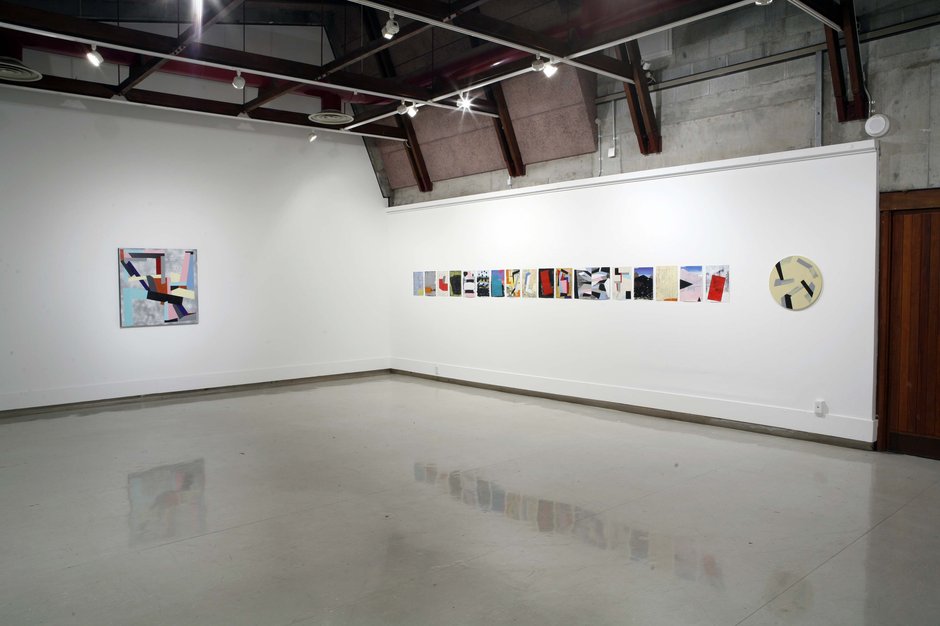
Even in the 21st century the legacy of early European modernism and abstraction just won’t go away. In Recent Paintings at the Ilam Campus Gallery, Tony de Lautour exhibits paintings and works on paper that make it very clear, if it needed to be said, that even after 100 years the modern movement represents a visual language with mileage aplenty left in reserve.
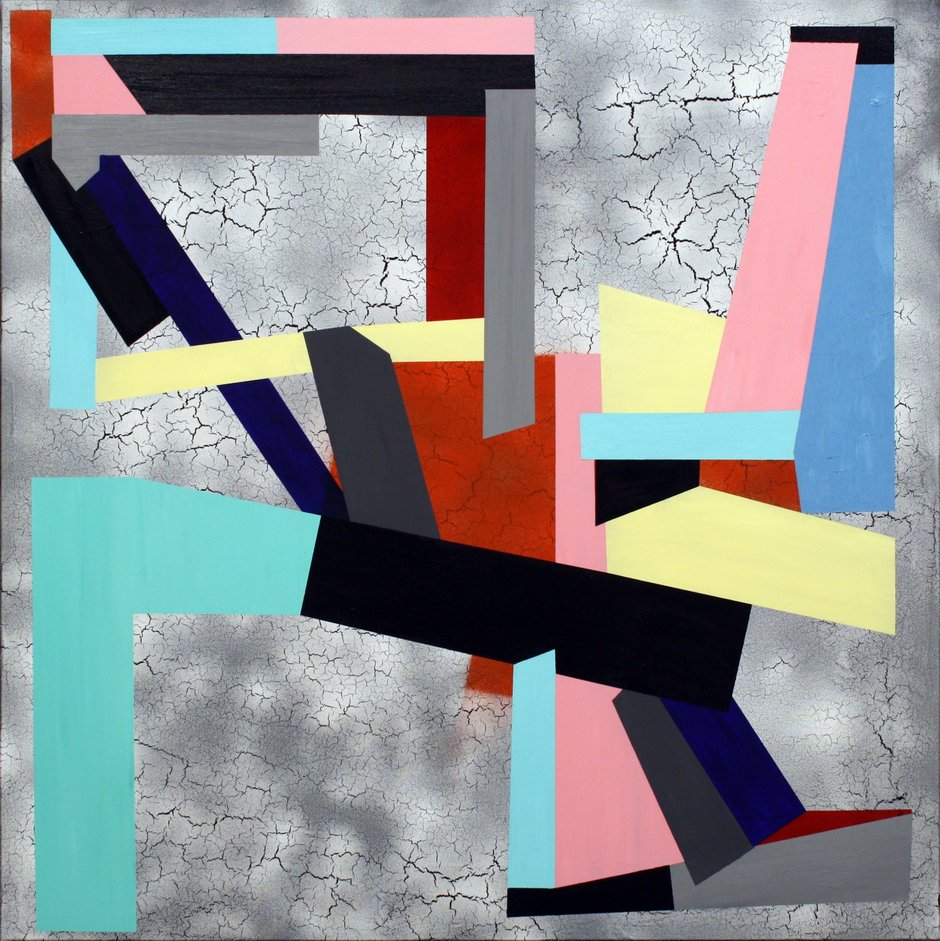
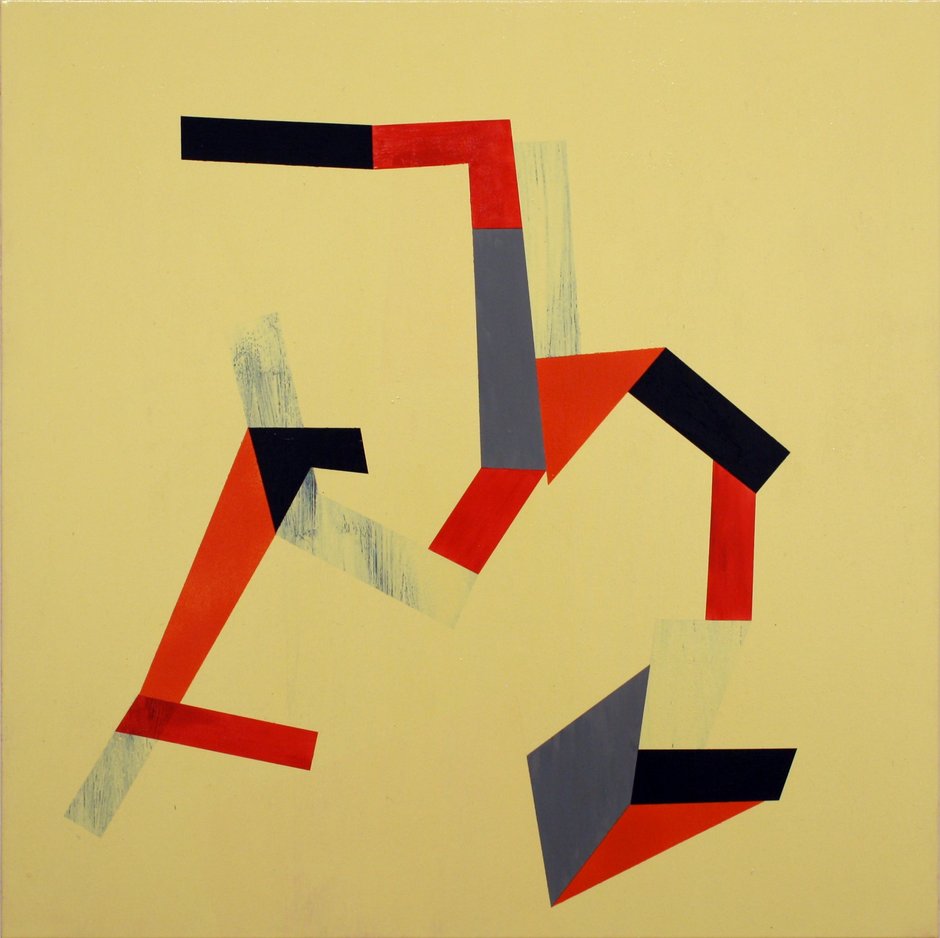
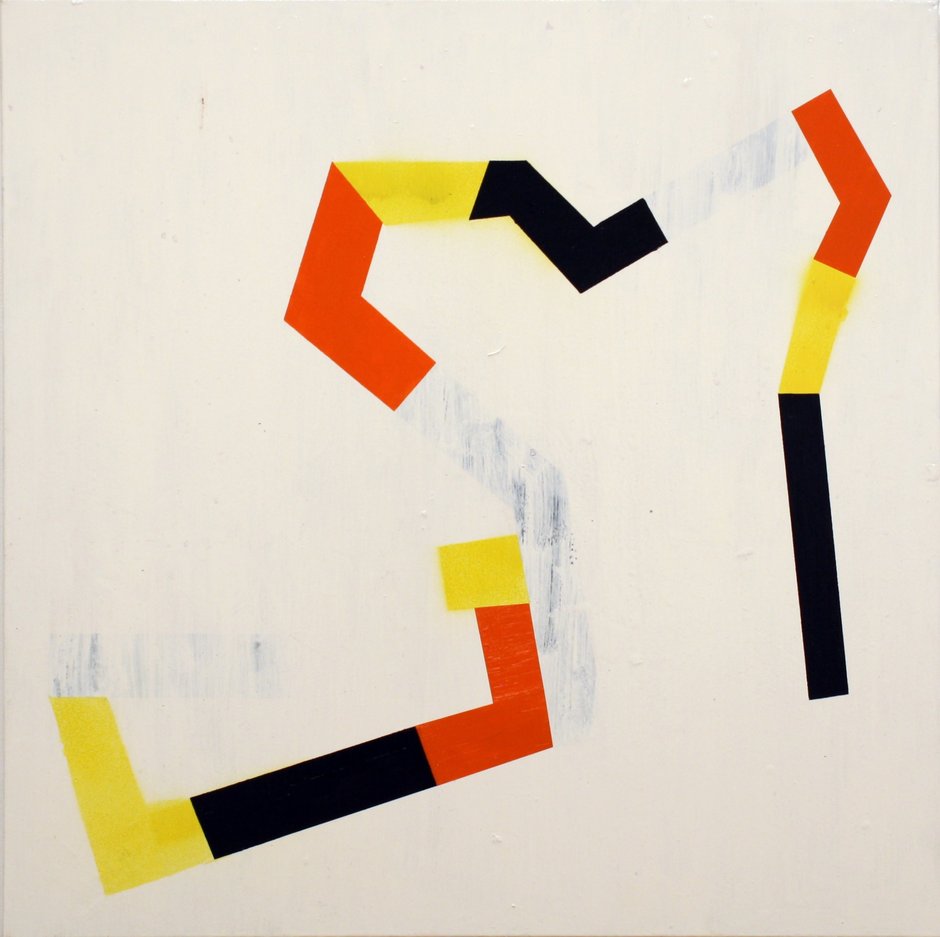
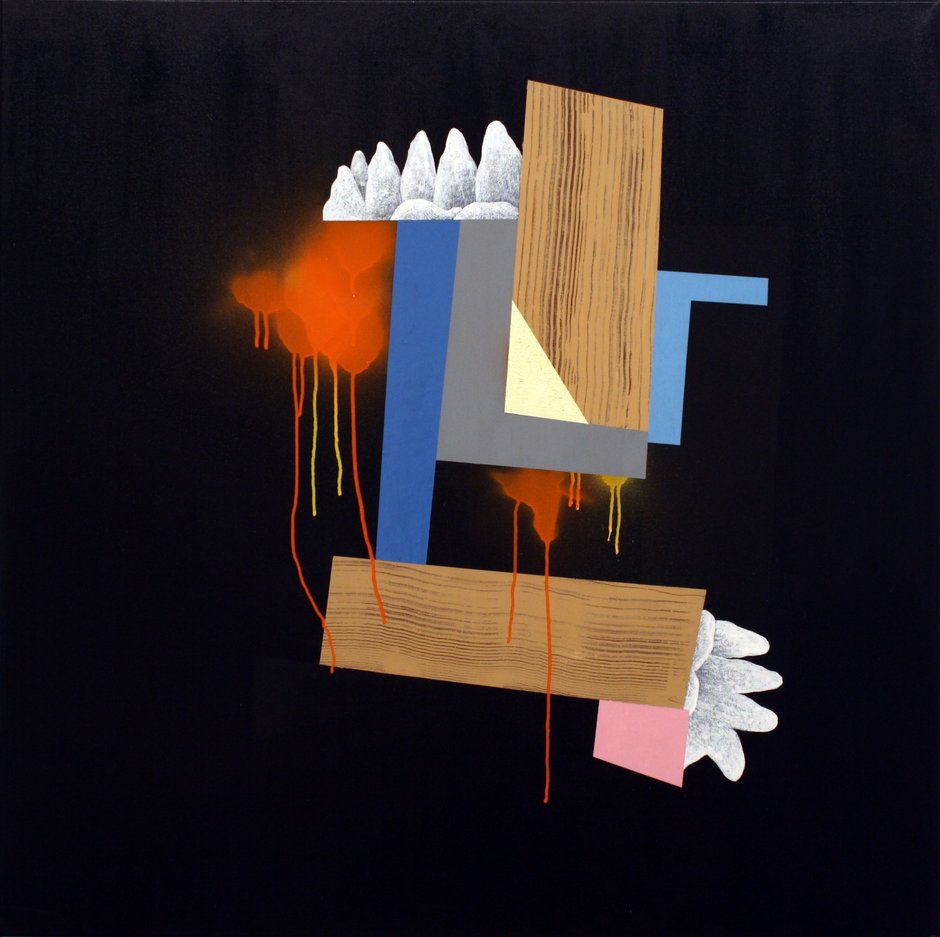
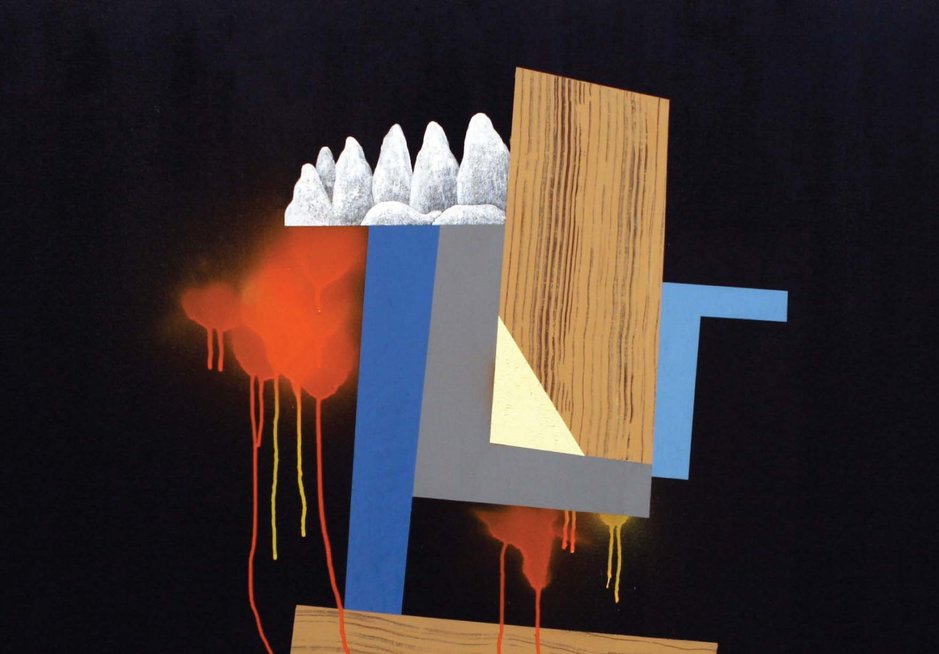
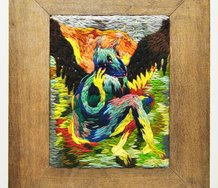
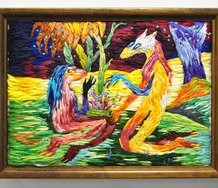
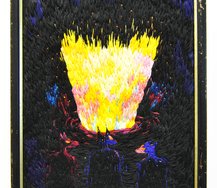
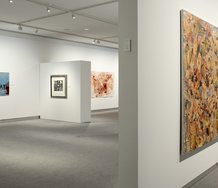
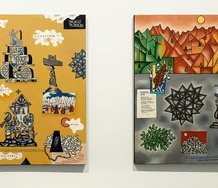
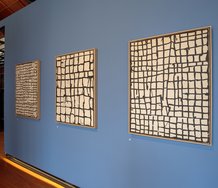
De Lautour’s ‘homage’ to Synthetic Cubism, Suprematism and Kasimir Malevich is among the most accomplished series he has conceived, accommodating of a number of works that are seriously captivating in their beauty and realisation. Tourist Trap, Open Plan, or Painting for an Unbuilt House are all paintings steeped in the grand traditions of modernism, yet they also take great delight and amusement in its legacy with titles that sidestep utopian agendas, instead offering oblique commentary on the current state of Christchurch. De Lautour does so, however, not to undermine the integrity of Malevich or Picasso - you can sense his affection and admiration for their work - rather, as an artist committed to narratives, telling a story and entertaining audiences. These paintings are Cubist and Suprematist in style but with titles that allude to street maps, fragments of buildings, warning signs and bits of plans on paper, all in the process of being drawn up or erased.
And there is little to suggest, as Malevich believed, that the hard-edged geometric abstraction of Suprematism was a doorway to ‘pure artistic feeling.’ Instead de Lautour’s paintings are more about the physicality of the objects he makes and his preference for ‘understating’ ideas. The paint has a tendency to dribble or smear on the picture plane and the hard-edges of de Lautour’s geometric forms tend to bleed, indicating that these paintings are certainly not harbouring utopian values or alluding to the possibility of any spiritual reawakening. If these works do embrace the spirit of Suprematism, it is as paintings that seriously consider the picture plane as a surface on which to reassemble and test colour, shape and formal relationships preoccupied in a continual process of renewal and reinvention.
So is his homage to modernism evidence of an artist reaching a kind of safe middle-aged maturity? After all, wasn’t de Lautour’s career fashioned on tattoos, cartoons and comic book sketches of drunken kiwis, chain smoking lions, tattoos, love and hate? His recent and earlier works might appear to represent the difference between a great divide of high and low art but look more closely and they share much in common. He has consistently embraced narratives that are socially relevant and topical. ‘Bad white art’ was perfect for the 1990s at a time when a critique of cultural identity assumed priority as a subject in New Zealand art. Seizing the opportunity, de Lautour rendered and revealed a world of poor white trash - one that scant attention had then been paid to.
This consideration of contemporary social narratives has been equally matched by a formalism that pays attention to assembling signs, symbols, objects and emblems on the surface of the picture plane. And then there’s that attitude - even if questions have been raised about the authenticity of ‘bad white art’ in the refined space of the gallery - it is worth noting that Painting for an Unbuilt House is Synthetic Cubism with a spray can and that Suprematist paintings tended not to reconfigure wonky swastikas in bright pink and pale green on the faked cracking surfaces of the canvas. Recent Paintings is an exhibition that includes some of de Lautour’s finest paintings, and in doing so, directs welcome attention to a renewed consideration of the evolution of an arts practice characterised as much by its ‘bad attitude’ as it has been by its lyricism.
Warren Feeney
 Two Rooms presents a program of residencies and projects
 Advertising in this column










This Discussion has 0 comments.
Comment
Participate
Register to Participate.
Sign in
Sign in to an existing account.